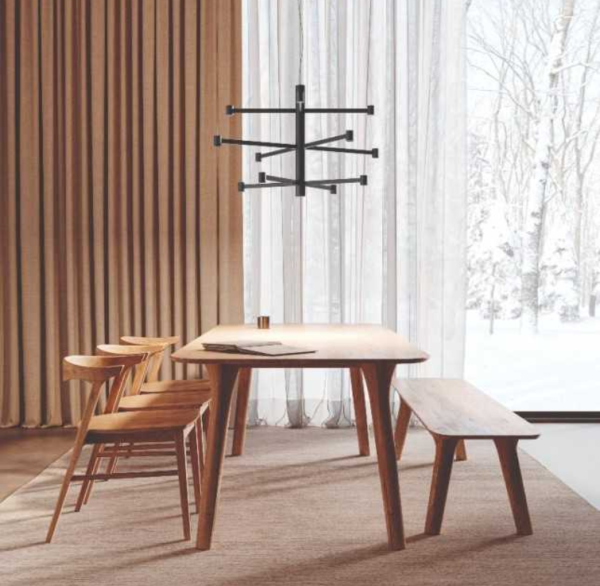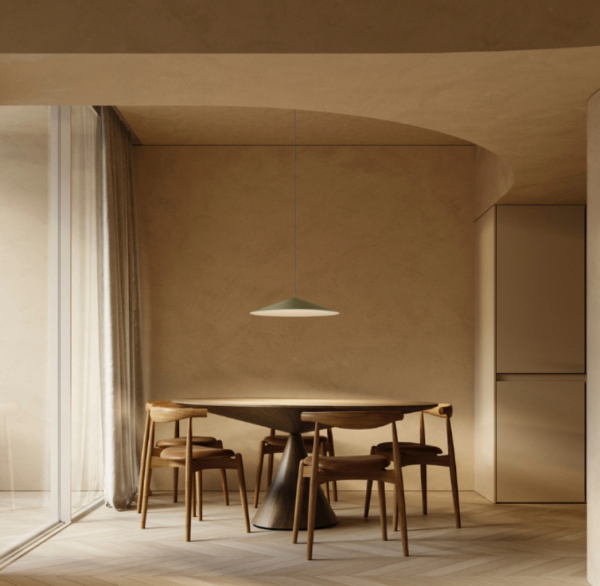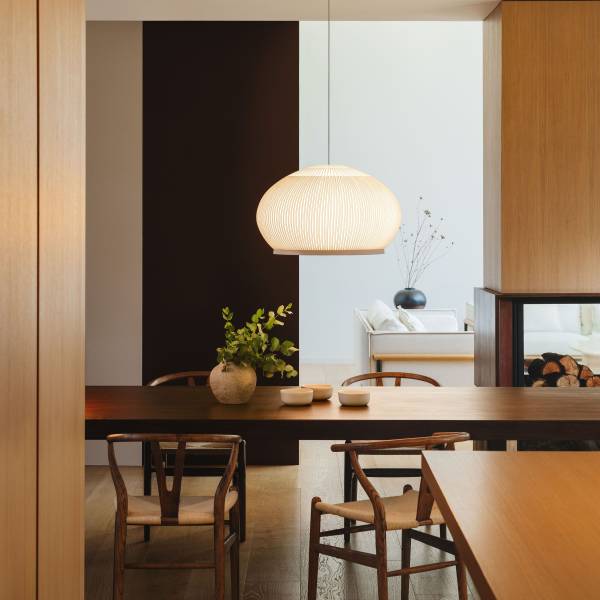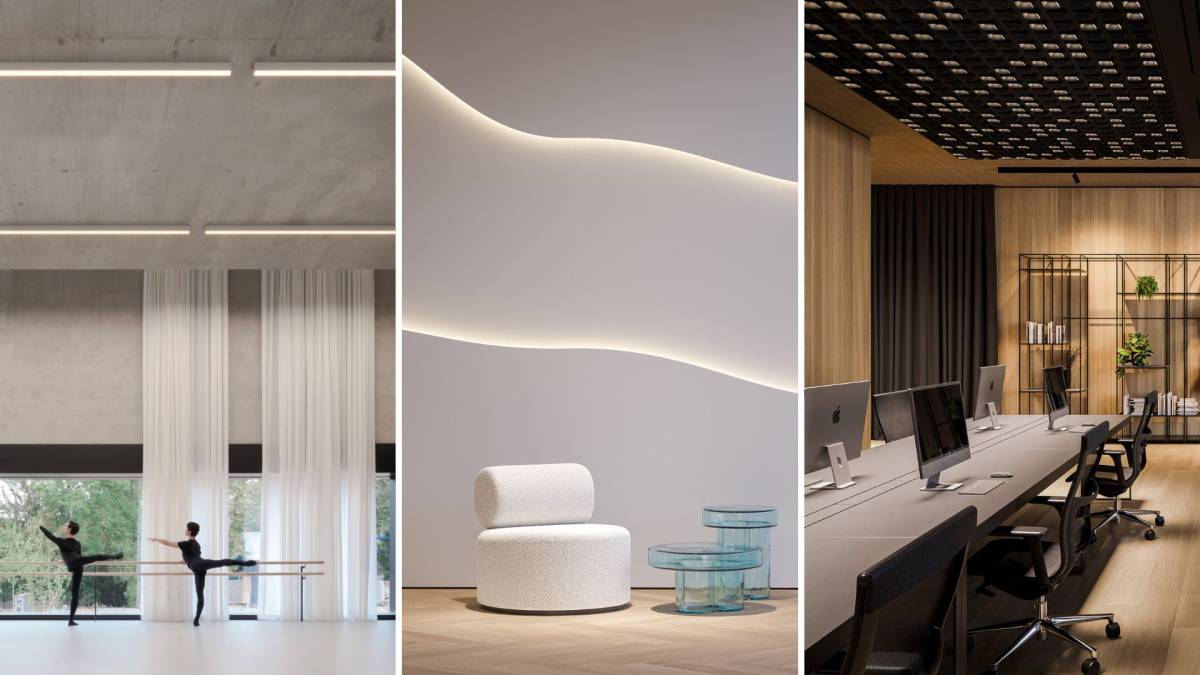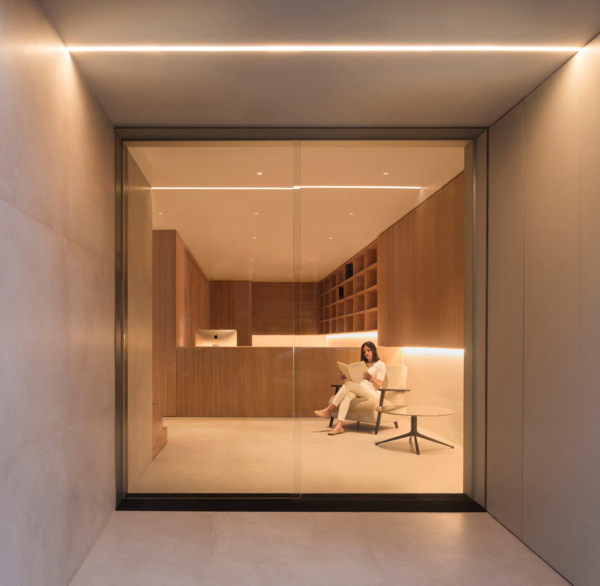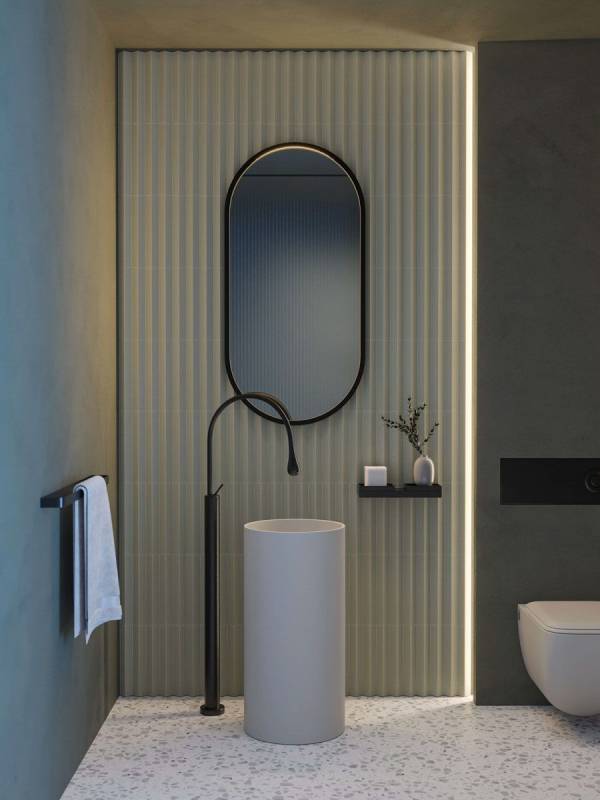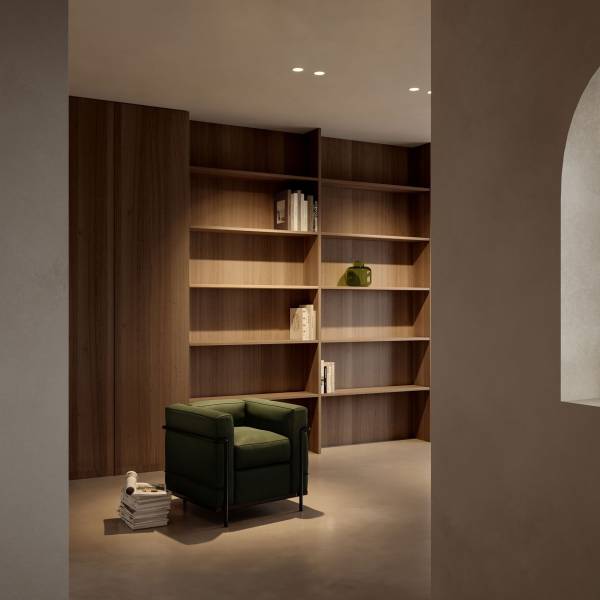

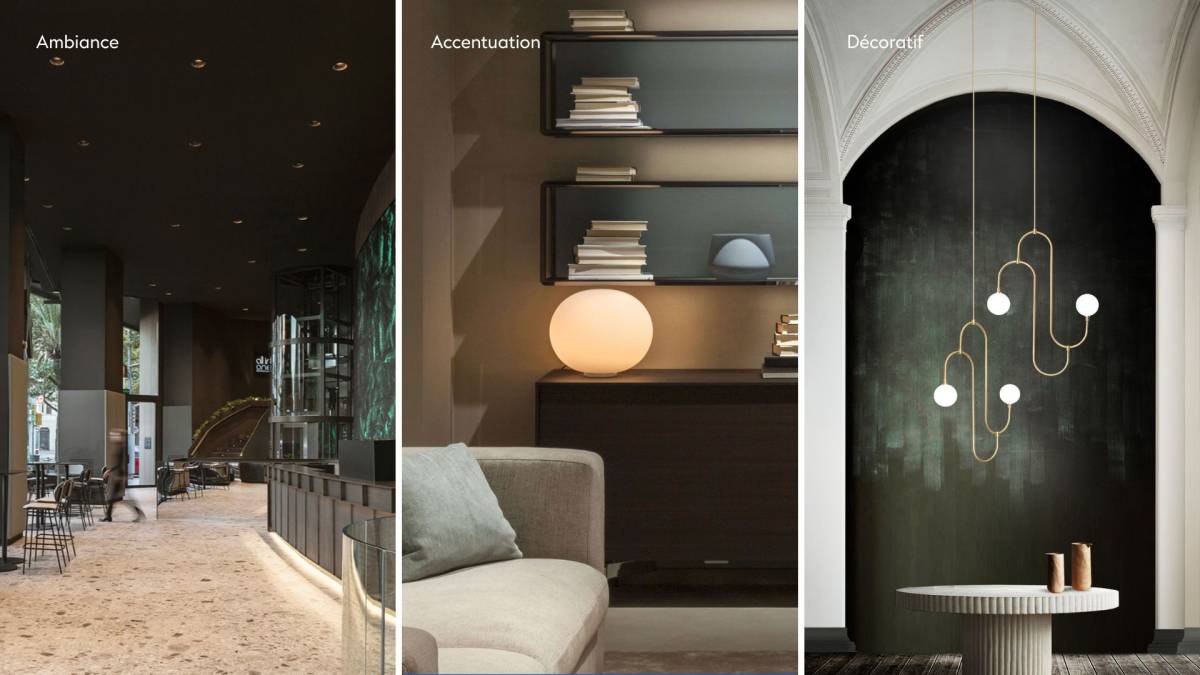
Lighting is no longer limited to a simple utilitarian function. Today, it has become a powerful tool for staging spaces, capable of transforming architecture, creating atmospheres, and influencing uses. Whether decorative, accent, or ambient, lighting plays a key role in the identity of a place and the experience of its occupants.
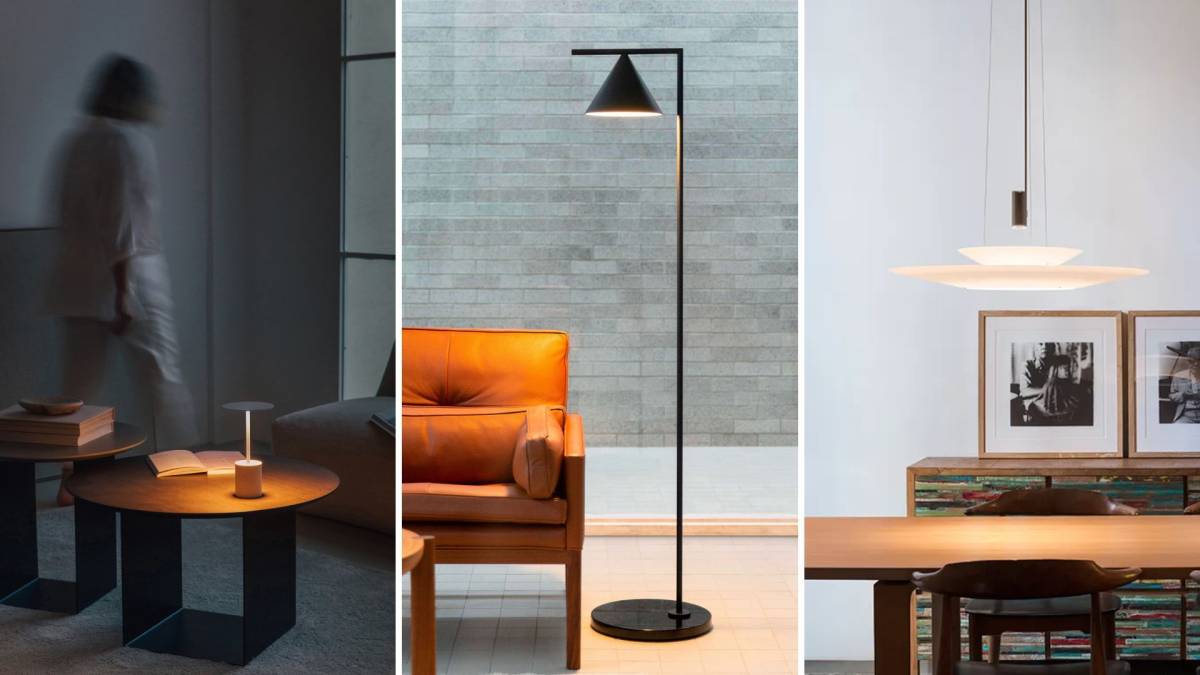
When and why use decorative or accent lighting ?
Decorative lighting is used when light becomes a design element in its own right. It adds character to a space, reinforces a decorative identity, and creates a warm and expressive atmosphere, even when the light is off.
Accent lighting is ideal for drawing the eye and highlighting specific elements: a textured wall, a work of art, an architectural feature, or a piece of furniture. It structures the space through contrast and adds depth to the general lighting.
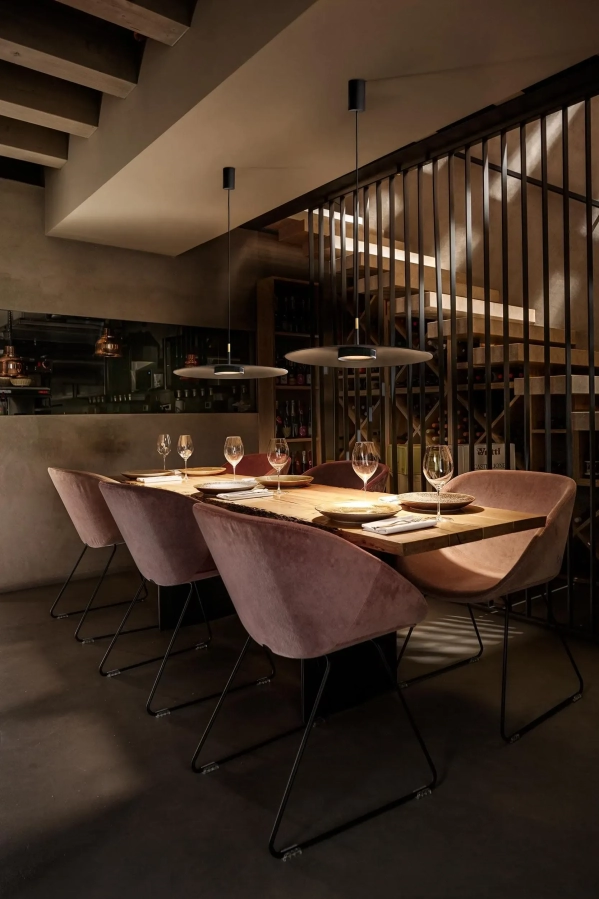
Used together, decorative and accent lighting transform light into a real staging tool, serving both the atmosphere and the architecture.